It is not uncommon for us to be asked “What practical skills courses are most useful for vets in general practice?”
This is an important area for us as a CPD Provider as our aim has always been to empower veterinary professionals by helping them develop clinical and decision making skills that can be used immediately in their work. So delivering high quality, high value practical courses is a key part of our own ‘compass’.
For many vets, the most useful practical CPD courses are ultrasound, dentistry, soft tissue surgery, emergency practice, orthopaedics and ophthalmology. The right choice depends on your current confidence gaps, the cases you see most often, and whether you want a short practical skills course or a longer structured pathway such as a PgCert.
Choosing the right practical CPD course can make a real difference to your confidence, clinical decision-making and enjoyment of practice.
The most useful practical courses are usually the ones that help with common first-opinion cases, build hands-on skills, and give you techniques you can use as soon as you return to the clinic.
But the “best” course will not be the same for every vet. A vet early in their career will need confidence and structure. A more experienced vet may want to consolidate skills in a specific area. Another vet may be looking towards a PgCert, Advanced Practitioner status, or becoming the go-to person in their practice.
That is why CPD Compass is designed to help you find CPD at the right level quickly, based on your subject area and stage of development.
The Quick Answer!
For many vets, the most useful practical skills courses are in:
- Dentistry
- Abdominal ultrasound
- Soft tissue surgery
- Emergency practice
- Orthopaedics
- Ophthalmology
The Key Point
The right choice depends on your current career stage as a vet, your confidence gaps, the cases you see most often, and whether you want a short practical course, a structured subject pathway, or a longer qualification route such as a PgCert.
Start With Your Stage as a Vet
A helpful way to choose CPD is to think about where you are in your clinical development.
At CPD Solutions, we often think about us as vets in three broad career stages:
1. The Emerging Clinician
An emerging clinician is still building confidence, strengthening foundational skills and learning to deal with more complex cases in first-opinion practice. We’d include clinicians returning from a career break in this category too as they often benefit most from introductory/refresher type courses to get back into the swing of things in a supportive and non-judgemental environment.
At this stage, the priority is usually not to become highly specialised. It is to feel more capable, more structured and more confident with the cases that arrive every day.
Useful practical CPD for emerging vets may include:
- ‘GP Refresh’ courses
- Introductory dentistry courses like ‘Practical Veterinary Dentistry’
- Introductory abdominal ultrasound courses or general ‘Scanning Days’
- Emergency Medicine and Emergency Surgery courses
- Soft tissue surgery confidence-building courses such as Soft Tissue Surgery Refresher
- Core ophthalmology and common eye presentations
These courses will help reduce anxiety around common cases and help turn “I’m not sure” into “I know how to approach this”.
2. The Progressive GP
A progressive GP has usually been in practice for a few years and has the core skills in place. At this stage, CPD often becomes more focused.
Rather than simply building general confidence, the vet may want to consolidate a specific clinical area, manage more cases in-house, or become the person in the practice that others turn to for advice.
Useful practical CPD for progressive GP vets may include:
- Intermediate abdominal ultrasound courses
- More advanced dentistry and challenging extractions courses
- Advanced abdominal surgery courses
- Emergency and critical care updates
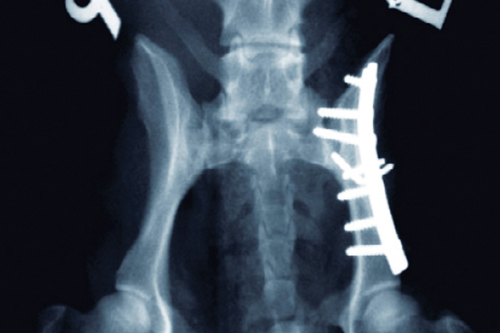
- Orthopaedic development courses such as Pelvic Fractures
- Ophthalmology skills development
For these vets, the question is often: “Which area do I want to become more confident and consistent in?”
This is where CPD Compass becomes particularly useful, because it helps you compare course options by subject and level, so you can move beyond introductory training into a more structured pathway.
Some vets in practice reach a point where they want deeper development in a clinical area. They may want to become the go-to person in practice, work towards a PgCert, or consider an advanced practitioner-facing route.
If you are at this stage, you may want to explore both CPD Compass and the PgCert options on PGCert.com.
3. The Clinical Lead
At this point where vets want deeper development in a clinical area. They may well already be the go-to person in practice or an Advanced Practitioner.
At this stage, CPD is usually more strategic. The goal is not just to attend individual courses, but to build a pathway of learning that supports clinical progression over time.
This is already established in surgery, where the Advanced Practitioner-facing pathway gives vets a clearer route for structured development. Similar pathway thinking is also being rolled out across other PgCert areas.
For the clinical lead vet, useful CPD may include:
- PgCerts
- Advanced practical workshops
- Subject-specific development pathways
- Surgery progression routes
- Advanced imaging, dentistry, orthopaedics or emergency training
- Courses to maintain Advanced Practitioner status.
For this group, a PgCert can also be valuable, but often in a slightly different way: supporting deeper clinical reasoning, strengthening decision-making, and providing a robust university-backed qualification that recognises their developing expertise.
How should a GP vet choose a practical CPD course?
A practical CPD course is most valuable when it helps you solve real problems in practice.
Before choosing your next course, ask yourself:
- Which cases do I see regularly but feel least confident managing?
- Which skills would help me keep more cases in-house?
- Which procedures would improve patient care and client service?
- Which area would reduce stress on busy consulting, surgery or emergency days?
- Do I need an introductory, intermediate or advanced course?
- Am I looking for a single skills boost, or a longer development pathway?
For many vets, the best starting point is a course that improves confidence in everyday cases. For others, the right next step is a more focused pathway in a subject they already enjoy.
Explore our practical veterinary CPD courses to compare hands-on options across key clinical areas.
Final Thoughts about What Practical Skills Courses Are Most Useful for Vets in General Practice
The most useful practical skills course for vets in general practice is the one that fits your current stage and your next clinical goal.
If you are an emerging clinician, the best course may be one that builds confidence and strengthens your foundations.
If you are in the Progressive GP category, the best course may help you consolidate a specific area and become more capable with the cases you enjoy.
If you are looking towards a PgCert, advanced practitioner status or becoming the go-to person in your practice, the best choice may be a more structured development pathway.
Start with the area that would make the biggest difference to your day-to-day work, then use CPD Compass to plan your next step.
Frequently Asked Questions
How do I know what level of practical CPD course is right for me?
Think about whether you need confidence, consolidation or progression.
Emerging clinicians and those returning from a career break may benefit from introductory or confidence-building CPD, helping them develop practical skills and make sound clinical decisions in everyday practice. Progressive GP vets often look for intermediate courses that consolidate their knowledge in a particular clinical area; for many, a PgCert can provide a structured route to achieve this. More advanced clinicians, including those already seen as clinical leads or the practice “go-to” person in a specific area, may need advanced practical courses that help them expand the practice’s capability and offer more complex procedures. For this group, a PgCert can also be valuable, but often in a slightly different way: supporting deeper clinical reasoning, strengthening decision-making, and providing a robust university-backed qualification that recognises their developing expertise.
When should a GP vet consider a PgCert?
Vets in general practice may consider a PgCert when they want a structured, longer-term programme in a subject area. This can be useful for vets aiming for deeper clinical development, a recognised qualification or an advanced practitioner-facing pathway.
How does CPD Compass help GP vets choose courses?
CPD Compass helps vets find CPD by subject and level, so they can choose a course that matches their current stage rather than simply picking from a long list of available courses.